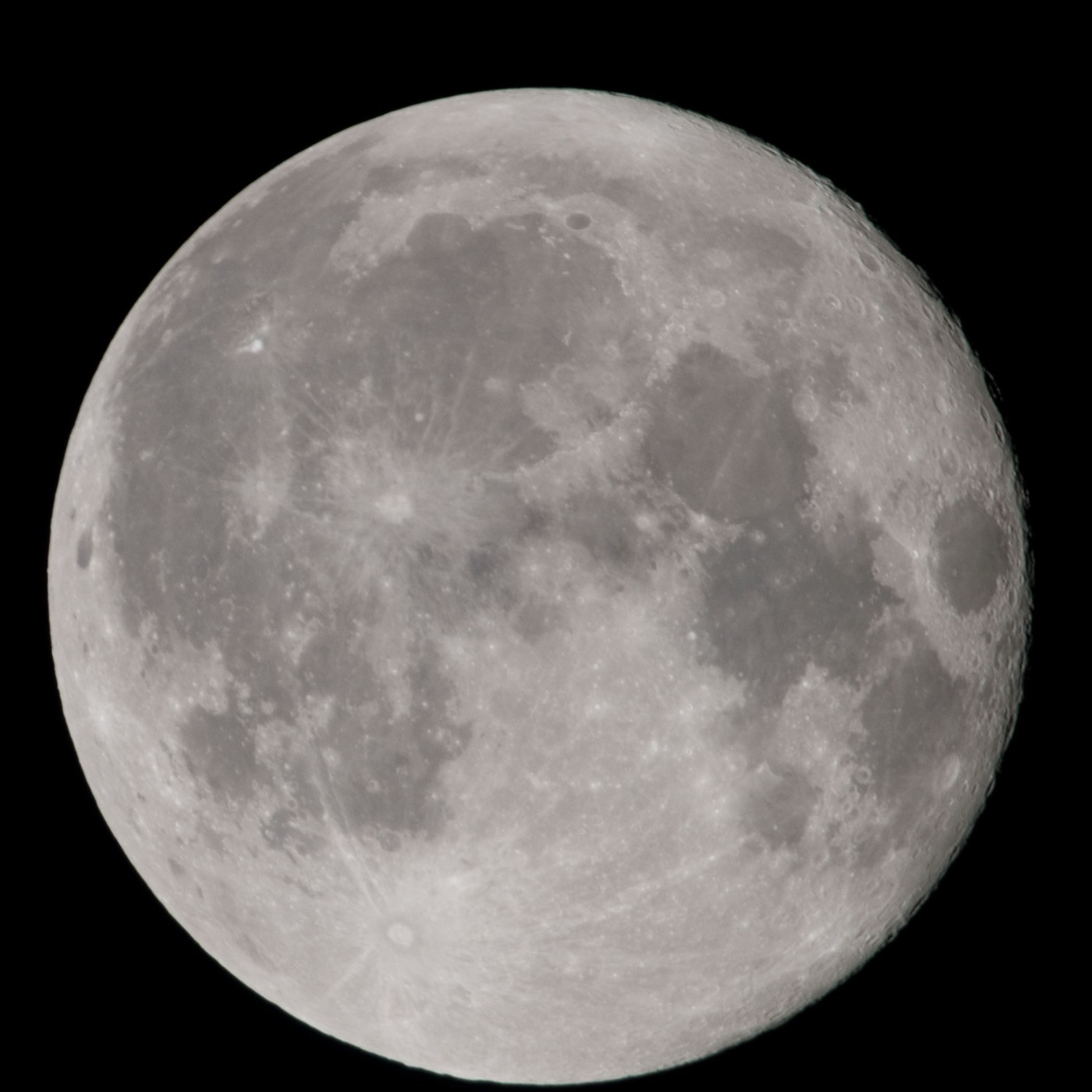
You don't go blind by turning off the light.
Vesper Lab comes down to three pillars: a person, a way of thinking, and an idea. One thread runs through my story, and it's easiest to see in the dark.
The human
I spent six years in emergency medicine, mostly as a paramedic. Meeting people with singular stories, listening to them, and watching how the world treated them is what pulled me toward the social sciences. From the back of the ambulance, I wrote my thesis on bias and stereotyping among caregivers, and its real effect on how people get treated in an emergency.
Visiting hospitals, I kept running into signage no one could read, ramps that wobbled underfoot, and websites that fought me when I searched for the right department from my phone. I moved into web design, with a focus on health organizations, then into development, so I could carry my ideas all the way through.
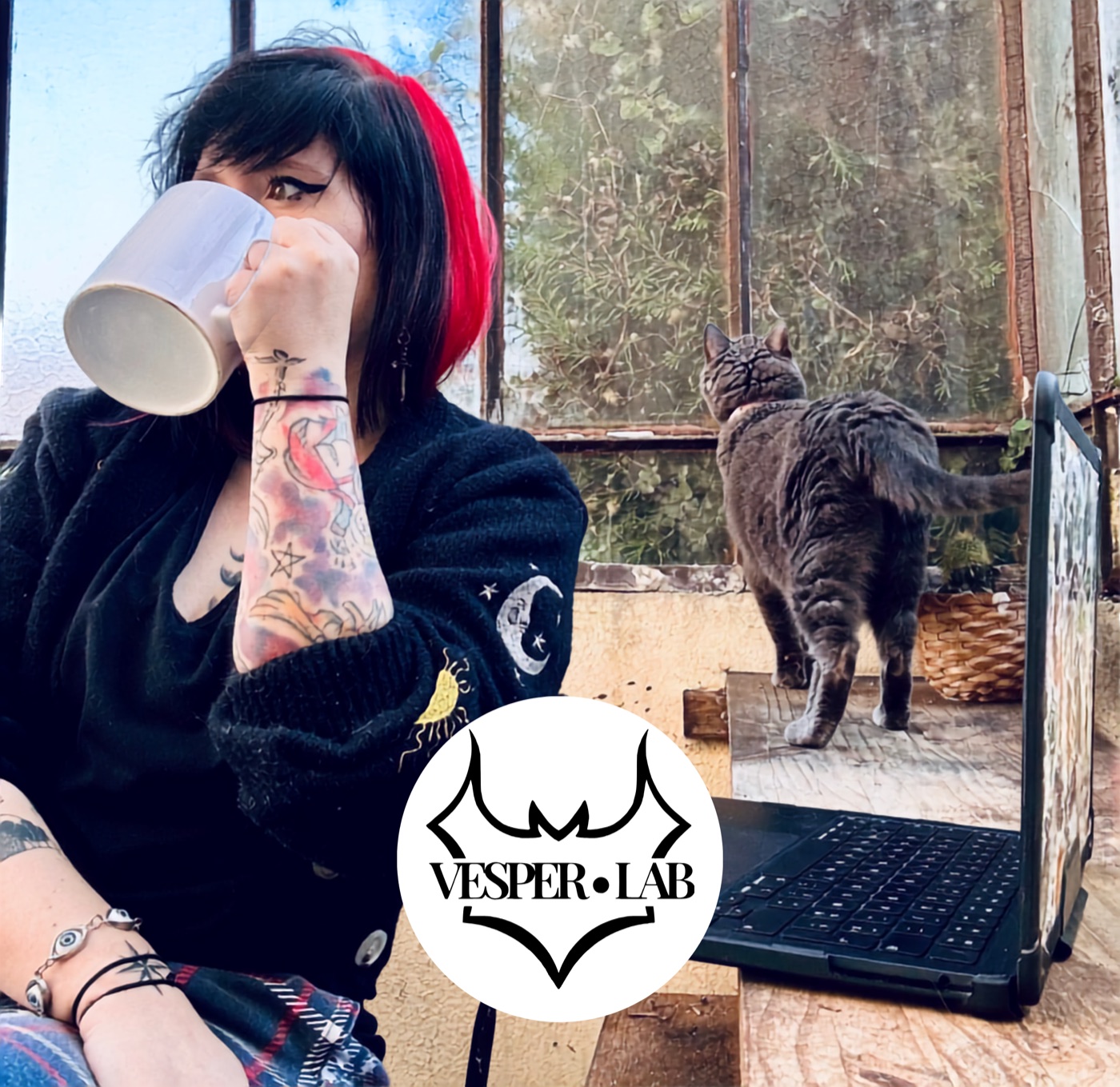
After that, I worked evaluating AI systems: flagging harmful content, correcting bias, adapting content across cultures, fact-checking, and writing in gender-inclusive French. Same instinct as everywhere else: ask who the system serves badly.
I moved from France to Québec, and now work in both French and English, across two regulatory frameworks. What ties all of it together is the same way of looking at things: noticing what no one else flags, and wanting to understand why it's there.
The mind
Bats have long carried the stigma attached to disability. The idea that they were blind took hold through experiments that deliberately blinded them, just to watch how they found their way without sight. At the time, no one could imagine a species evolving past that, let alone living independently with the light out. We understood echolocation much later, and learned these animals could see just fine. They just had an extra sense on top of it.
When the vesper bat wakes at dusk, it challenges what we think is true, what we think should be true, and how we build a life together around what already exists.
Documenting and publishing in the open is also a way of staying close to what a marginalized community lives through: I do it as a volunteer, outside of any paid mandate. What limits access isn't only technical. It's also a question of who has the time, the means, or the perceived standing to get involved. The vesper bat is an animal we excluded from "normal" before we even tried to understand it. One more reason to build this community with the people we sideline by reflex, not as an afterthought.
The entity
Vesper Lab is the name under which I document and practice digital accessibility: audits, code, and what I learn along the way.
What I publish
Most documentation on digital accessibility is in English, often behind a paywall. I translate, document, and publish it in the open: the 87 WCAG 2.2 criteria in French and English, the tools I build for my own audits, and articles on what I learn along the way.
A small organization that can't afford to hire anyone should still be able to get started on its own.
How I work
This site is audited against WCAG 2.2 criteria, and its known limitations are published in its accessibility statement. My tools are built to be usable by the people they concern, screen reader included. Some of these issues affect me directly, which keeps me from treating them as abstractions. I write in gender-inclusive French, following the OQLF's recommendations.
I'm working toward CPACC certification in fall 2026, and I learn as much by documenting as by auditing.